The Traka 2026
The complete guide to Europe's biggest gravel event — distances, preparation, and performance services at the S2S lab, 10 minutes from the start line.
50% off your second lab appointment
Book any two lab services at our Girona lab around the Traka and receive 50% off the cheaper appointment. The bookings can be for one person or shared between two — bring a riding partner and both benefit.
Girona lab only · Appointments available 16 April – 8 May 2026 · First come, first served · Discount does not apply to equipment · Payment in full at the appointment · Cannot be combined with other promotions · Lab services only, not coaching
Our athletes racing the Traka 2026
Science to Sport coaches and tests athletes who compete at the highest level in gravel. Several S2S athletes and coached riders are confirmed for this year's Traka across multiple distances.
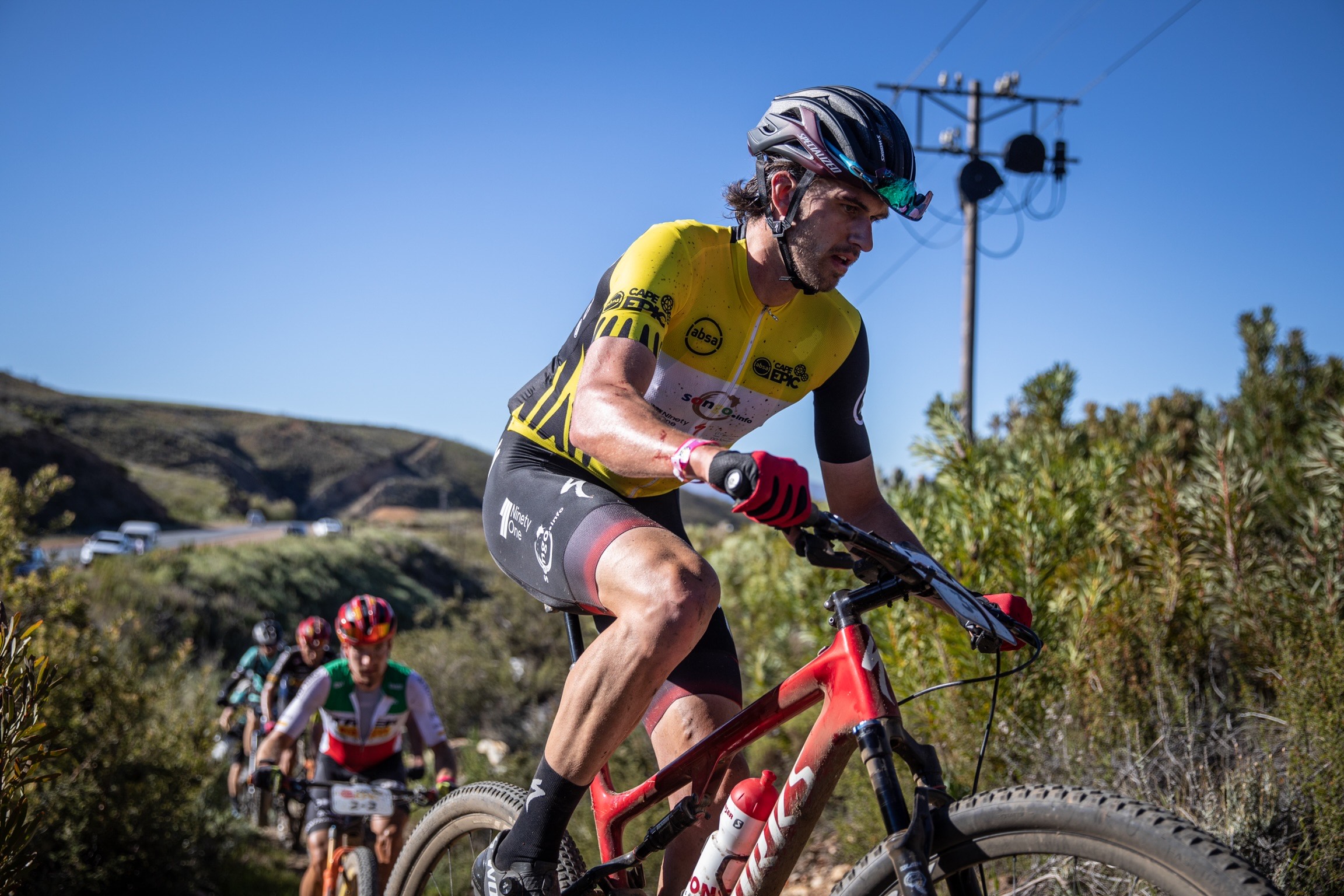
Matt Beers
200km · ProFour-time Cape Epic champion, South African national champion, and 2025 Lauf Gravel Worlds winner. Coached by John Wakefield.
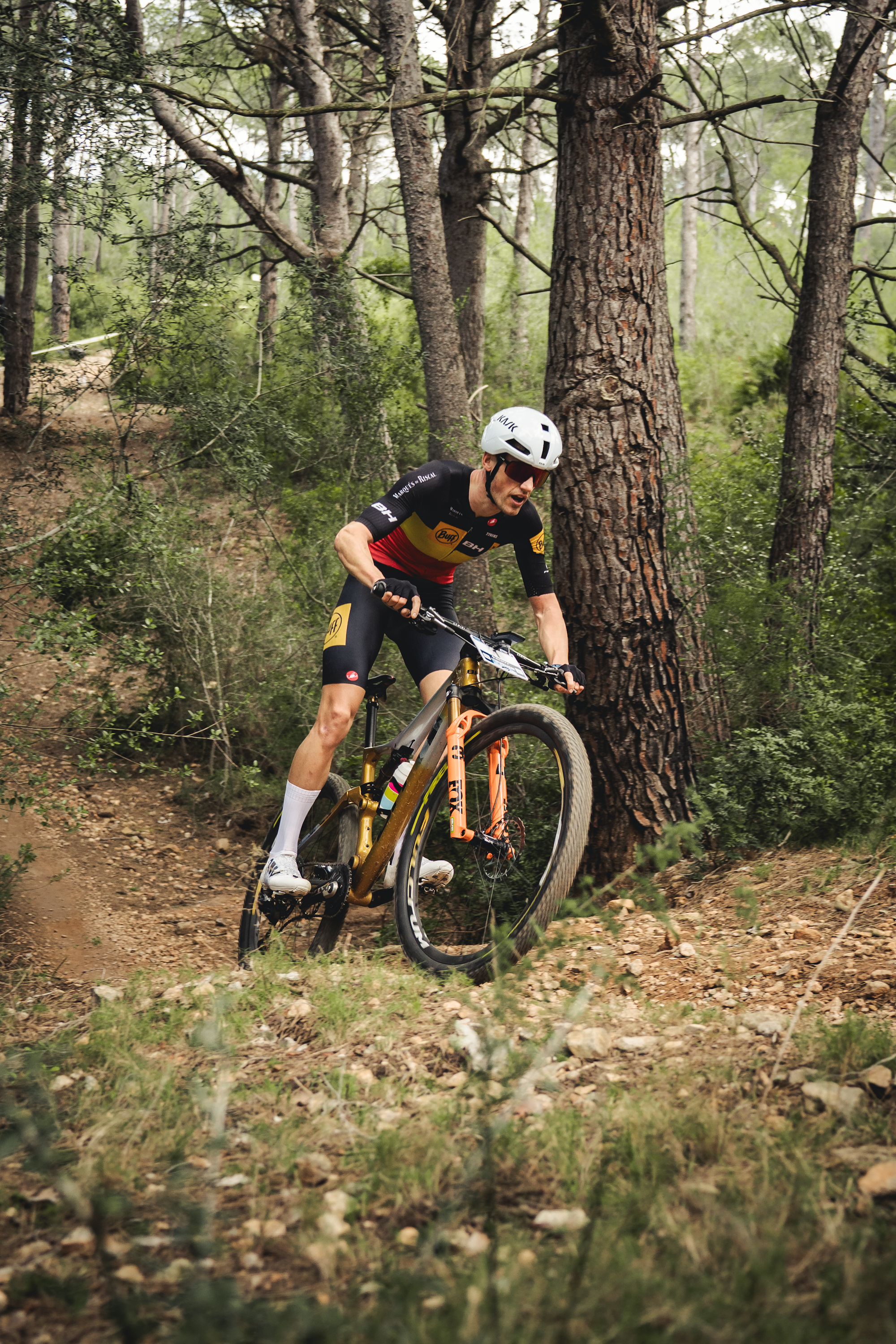
Wout Alleman
200km · ProEuropean XCM Champion 2023, four-time Belgian national champion, and UCI MTB World Ranking number 2. A Gravel Earth Series contender. Coached by Reece McDonald.
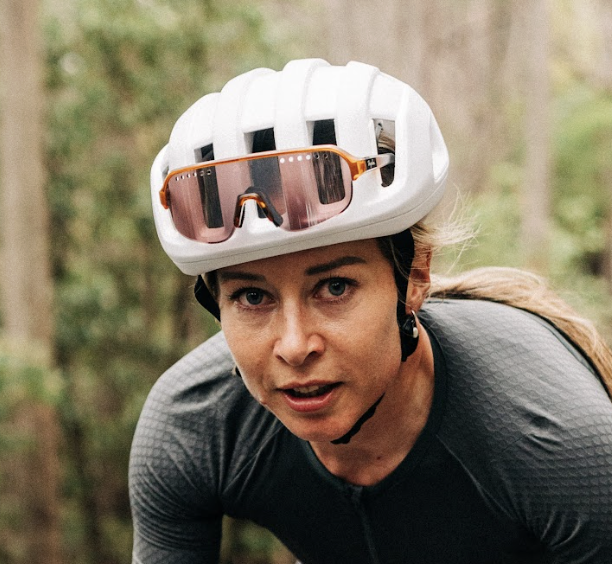
Nicole Frain
200km · ProUCI Gravel World Series overall winner 2025 and Australian National Road Champion 2022. Races for Ridley Racing. Coached by John Wakefield.

Alex Miller
200km · ProNamibian Olympian (Tokyo 2020, Paris 2024), Commonwealth Games MTB bronze medallist, African MTB Champion, and three-time Namibian national road champion. Coached by John Wakefield.
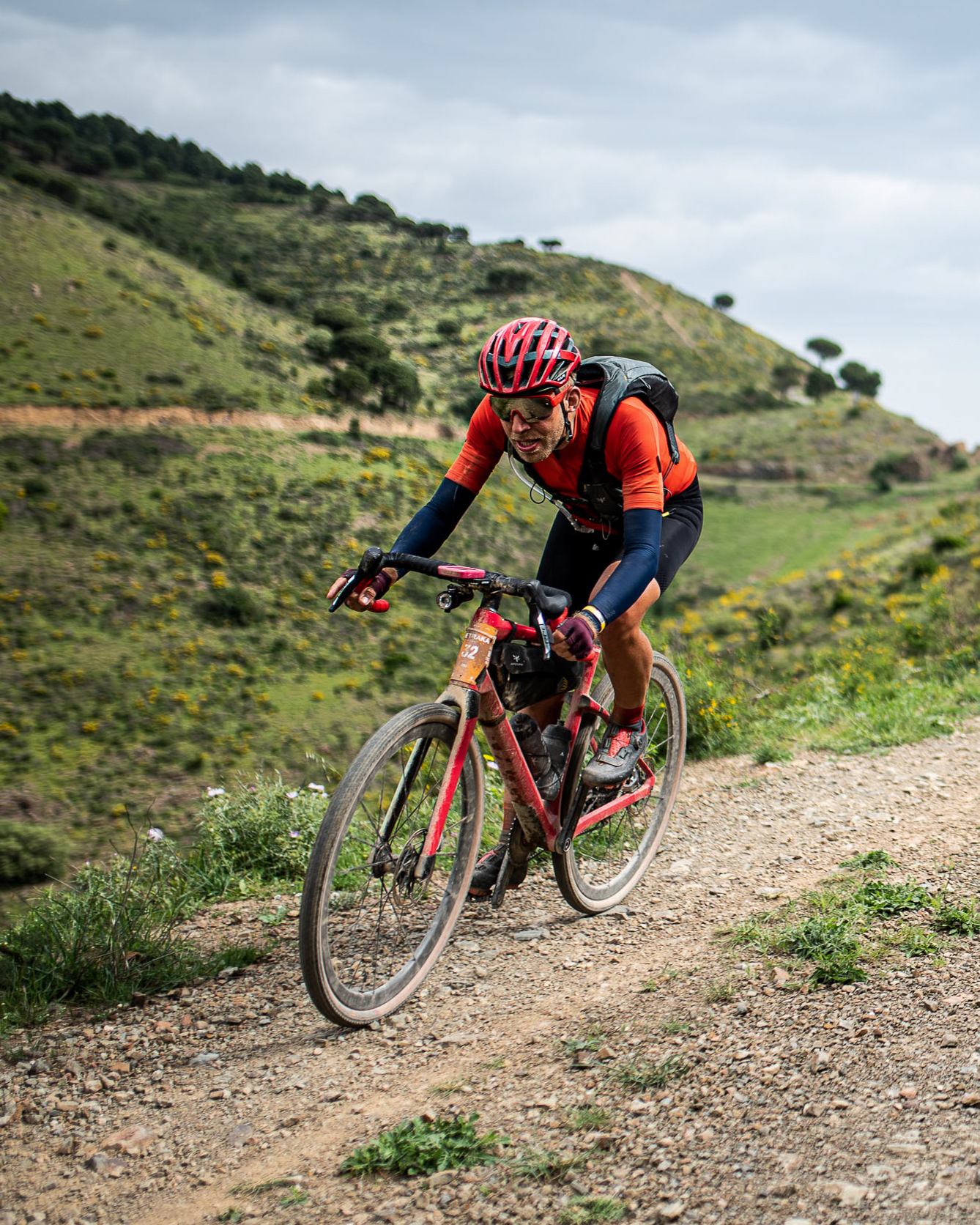
Ulrich Bartholmoes
560km · AdventureTour Divide winner 2023 with the second-fastest time in history. Over 18 victories from 30 ultra-distance races since 2019. Helped design the Traka 560 route. Coached by John Wakefield.
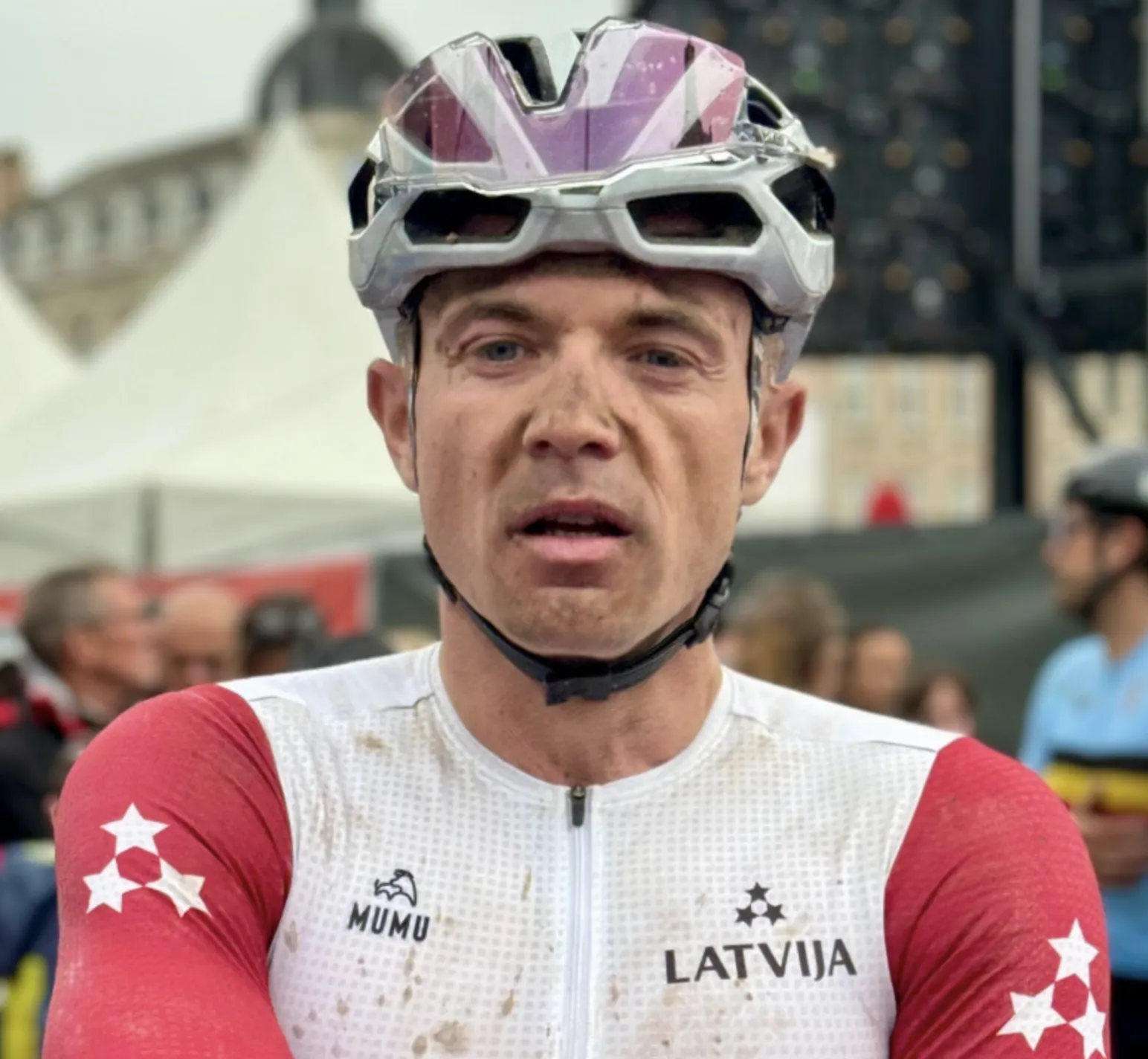
Aleksandrs Zavoloks
360km · Age GroupCoached by Darrel Fitzgerald. A committed age group rider taking on the 360 — the same course, the same conditions, and the same challenge as the pro field.
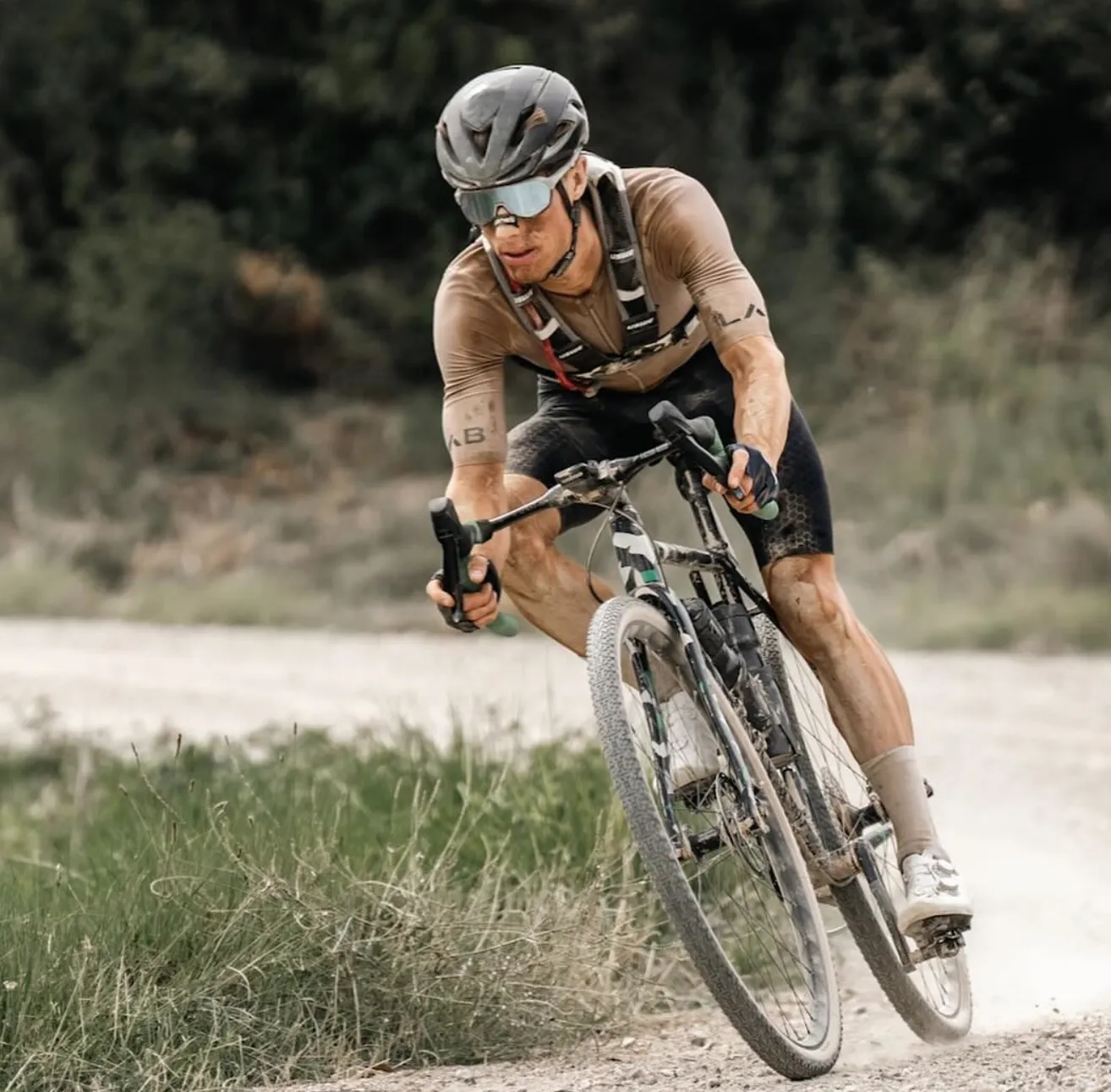
Cameron Preece
360km · Age GroupCoached by Darrel Fitzgerald. Racing the age group classification in the Traka's flagship distance.
What is the Traka
The Traka is Europe's biggest gravel event — a week-long gathering of riders, brands, and cycling culture centred on Girona, Catalonia. Founded in 2019 with fewer than 100 riders, it has grown to over 4,000 participants from 74 countries by 2025, earning the unofficial title of Europe's Unbound.
The event is part of the Gravel Earth Series, the most prominent international gravel racing circuit, with the Traka 360 serving as its highest-scoring single race. But the Traka is as much a festival as it is a race. The week brings a race village, brand expo, live music, food, and the particular energy of Girona in spring — thousands of cyclists descending on a city that already breathes cycling in every corner.
Four distances cater to different types of rider, from ultra-endurance specialists to first-time gravel racers. All routes start and finish in Girona.
560km Adventure
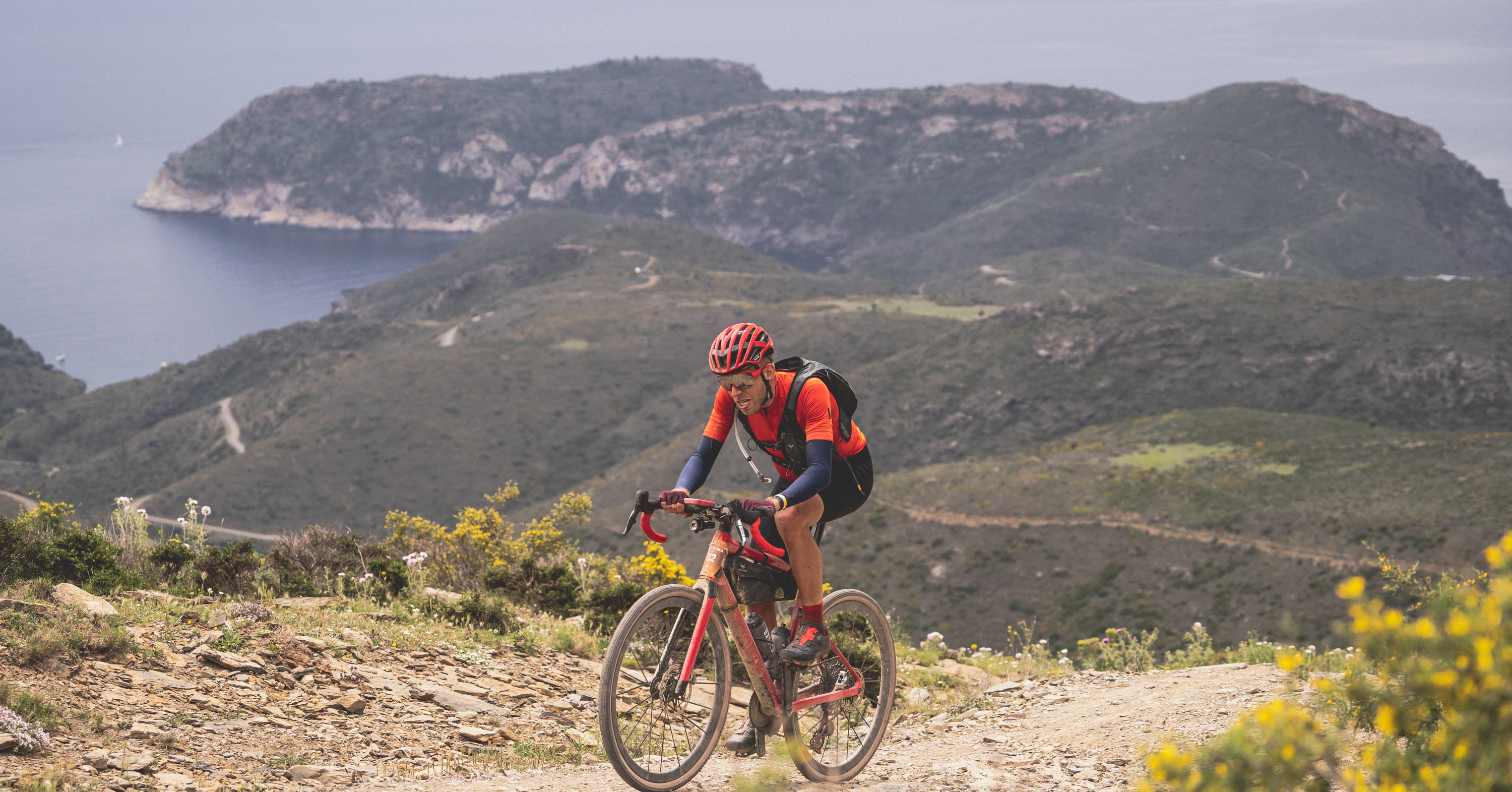
The longest and most demanding route loops north from Girona into the high terrain of the Pyrenees before swinging east toward the Costa Brava coastline and returning through the interior. With 10,000m of climbing — more than double the elevation of Unbound XL over the same distance — this is a fundamentally different challenge from the other Traka distances. Entry requires prior ultra-distance credentials: completion of the Traka 360 or evidence of a 300km+ race with 5,000m+ climbing. The field is capped at 200 places. The route was designed in part by S2S athlete Ulrich Bartholmoes.
The ultra. Self-supported, overnight, bikepacking-adjacent. Riders sleep on course — or don’t sleep at all. Equipment choices diverge significantly from the shorter distances: frame bags, dynamo hubs, wider tyres, and sometimes hardtail mountain bikes with drop bars.
2025 winners: Victor Bosoni (24h 09m) · Svenja Betz (28h 52m)
Full route on RideWithGPS360km
The race begins with a paved climb out of Girona, gaining roughly 300 metres before dropping onto gravel trails descending toward the river Ter. The route heads north-east into the Empordà — olive groves, vineyards, and stone farmhouses echoing Tuscany — with fast, wide gravel roads rolling through the plains toward Figueres. Punchy climbs break up the first third around the 80km mark. A major hilly section begins at 130km, and a big climb at km 278 kicks off the final third. The last significant climb comes at km 349 before a net-downhill run through singletrack in the Gavarres massif back into Girona. Roughly 85% of the course is unpaved.
The longest single-day race in the Gravel Earth Series and the highest-scoring individual event. Starts before 6am, finishes into the evening. The terrain mixes fast gravel roads, technical singletrack, and paved linking sections. This is where endurance meets navigation — and where age group riders like S2S athletes Aleksandrs Zavoloks and Cameron Preece line up on the same course as the pros.
2025 winners: Tobias Kongstad (11h 37m) · Karolina Migon (12h 38m)
Full route on RideWithGPS200km
A tighter loop through the gravel terrain north and east of Girona, sharing some sections with the 360 but with roughly half the distance and elevation. The 200 delivers a concentrated dose of the same landscape — Empordà gravel, punchy climbs, technical descents — but at a pace that rewards power and intensity rather than endurance management. Expect varied surfaces: hard-packed farm tracks, loose rocky climbs, fast rolling gravel, and short paved linking sections.
The marquee pro race. This is where the strongest fields line up — WorldTour riders crossing over from road, fast gravel specialists, and riders chasing GES series points. The 200 and 360 have independent scoring, and most riders choose one or the other. S2S athletes Matt Beers, Wout Alleman, Nicole Frain, and Alex Miller all race the 200 in the pro field.
2025 winners: Petr Vakoc (6h 07m) · Carolin Schiff (6h 46m)
Full route on RideWithGPS100km
A compact loop through the gravel immediately surrounding Girona. The first climb out of the city is the same paved ascent used by the longer distances — a genuine test that sets the tone early. From there the route explores the local gravel network with a mix of farm tracks, forest trails, and short linking roads.
The gateway distance. No GES points, no ultra credentials required — just a place on a startlist that sells out fast. A challenging but achievable day for strong recreational riders. The 100 closes the race weekend on Saturday. Entries for the 100 and 200 are sold out for 2026.
2025 winners: Alexys Brunel (3h 08m) · Marie Schreiber (3h 21m)
Full route on RideWithGPSRoute maps based on 2026 provisional GPS data via RideWithGPS. Routes may be adjusted by the organisers in the week before the event.
Traka week in Girona
The Traka is more than four races. It's a full week in which Girona transforms into the global capital of gravel cycling. From mid-week arrivals recce-ing routes to the post-race celebrations on Sunday evening, the city hums with cycling energy.
The race village hosts a brand expo, live music, food stalls, and bike mechanics. It's where the gravel industry gathers — frame builders, component brands, apparel companies, nutrition sponsors. If you're interested in the state of gravel equipment, there's nowhere better.
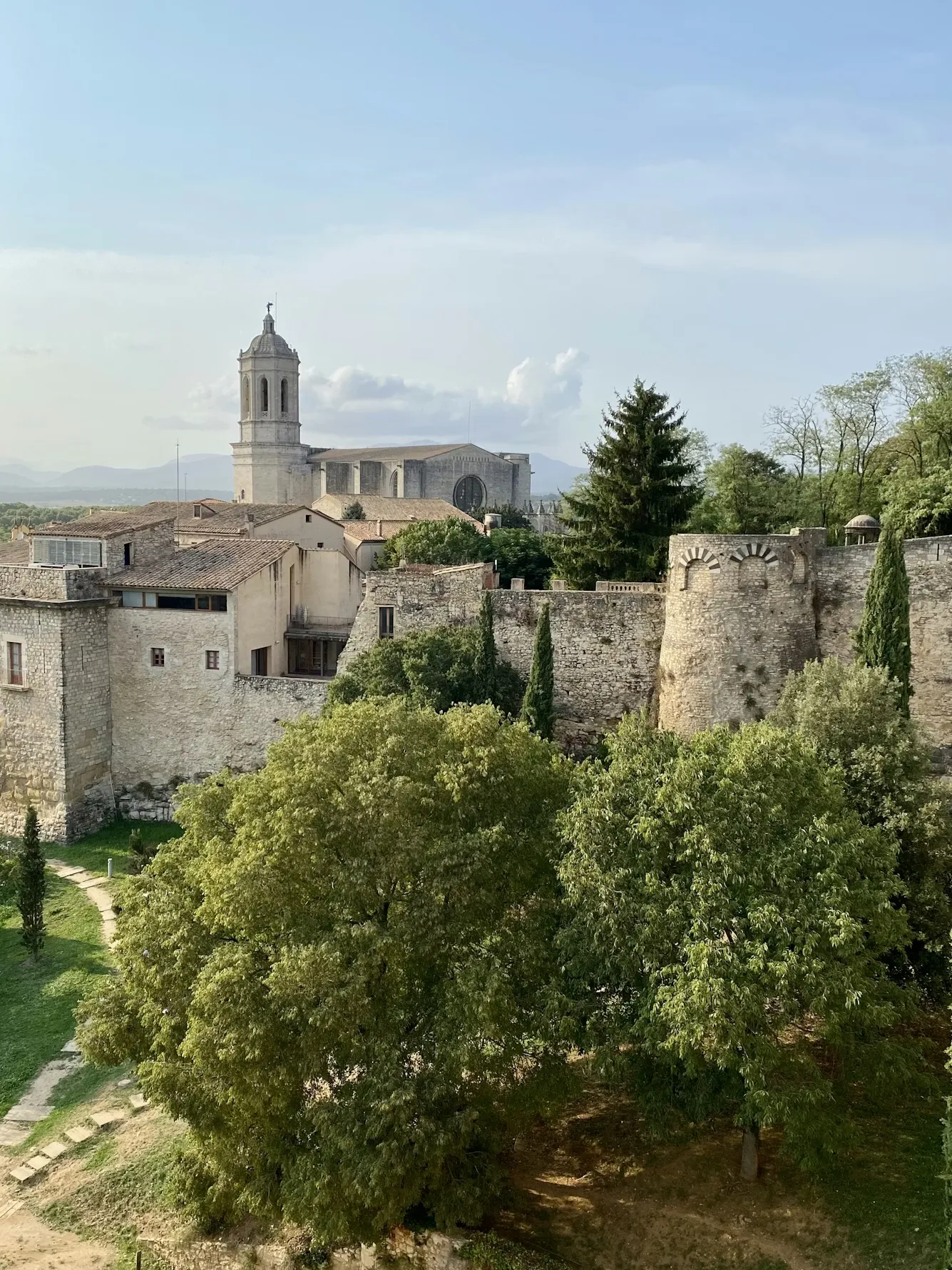
Outside the official programme, Girona delivers what it always delivers: world-class café culture, a medieval old town that rewards walking, restaurants built for hungry cyclists, and an infrastructure that treats cycling as a first-class mode of transport. The city is home to a large community of professional cyclists and has been a training base for WorldTour teams for years. You'll share coffee stops with pros and see more carbon fibre per square metre than almost anywhere else in Europe.
For riders arriving early — and you should — the surrounding countryside offers some of the best gravel in southern Europe. Rolling routes through the Gavarres massif, the Empordà plains, and toward the Pyrenees foothills are all within easy reach of the city. Several local operators and bike shops run guided recce rides in the lead-up to race day.
Preparing for the Traka
How early you arrive in Girona depends on which distance you're racing. Here's what we recommend based on working with athletes across all four events.
Arrive by Sunday 27 April
Equipment preparation is critical at this distance. Give yourself several days to check lights, charging solutions, bags, spares, and nutrition systems. A final systems check on the bike matters more than a final training ride. If it's your first time on Girona gravel, preview the opening kilometres and get a feel for the terrain and surface variety.
Arrive by Sunday or Monday
A full week lead-in is ideal. Time to acclimatise — Girona in late April can range from 15°C to 28°C. Recce key sections of the course, especially the opening climb and any singletrack you haven't ridden. Do a final light spin, sort any last-minute mechanicals, and rehearse your nutrition plan on actual gravel. The 360 starts before 6am — adjust your body clock early.
Arrive by Tuesday or Wednesday
Two to three days to settle, do a light recce of the opening kilometres, and confirm your race-day nutrition. The 200 is fast and punchy — if you're racing for a result, you want legs fresh, not fatigued from travel or overcooked training in the final days.
Arrive by Thursday or Friday
One or two easy shakeout rides on local gravel to check tyre pressures and get a feel for Girona terrain. Bike validation happens on the morning of race day. This is the distance where you can arrive later and still be fine — but arriving early means you can soak up the festival atmosphere and watch the 360 and 200 unfold first.
What not to do in race week
Don't change your bike position in the final week. If something needs adjusting, do it at least two weeks before the event — or address it after the race. A position change that feels fine on a 90-minute test ride can cause problems at hour six when fatigue changes how your body loads the contact points.
Don't overcook training. If you're not fit enough by the time you arrive in Girona, no amount of last-minute intensity will change that. A few easy spins and a route recce are all you need. Save the legs for race day.
If you're doing a metabolic test for fuelling data, give yourself at least a week to process the results and adjust your race nutrition plan accordingly. A test the day before the race gives you data you can't use.
Why bike fit matters for long gravel events
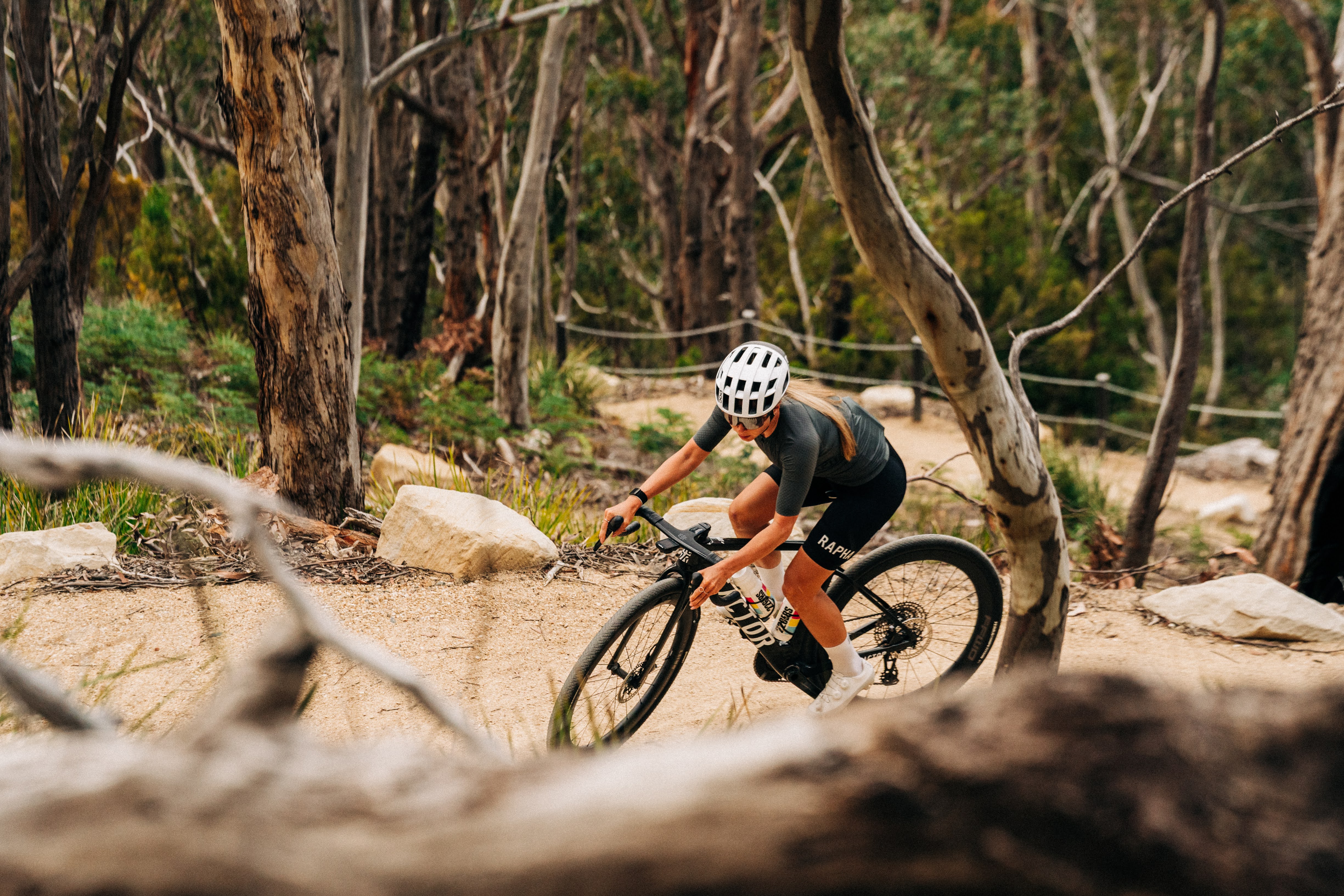
Gravel amplifies every fit issue. The terrain variation, the constant position shifts, the hours in the saddle — they all compound small errors that are invisible on a two-hour road ride.
Contact points under load
Hand pressure is the most common problem on long gravel events. Flared bars change your reach and wrist angle compared to road bars. Rough surfaces transmit vibration through the bar, and riders unconsciously grip harder as fatigue sets in. If your reach is even slightly too long, you load the hands to compensate — and at hour eight, that means numbness, pain, and loss of control.
Saddle contact changes fundamentally on gravel. You move on the saddle constantly — forward on climbs, back on descents, shifting laterally on off-camber surfaces. A saddle position that works for steady-state road riding may not support the range of movement that gravel demands. Pressure mapping can identify contact issues that subjective feel misses.
How distance compounds small errors
A 2mm saddle height error produces roughly 0.5° of knee angle change at the bottom of the pedal stroke. On a 90-minute ride, that's unlikely to cause problems. Over 200km — roughly 20,000 pedal revolutions per leg — it becomes a repetitive stress issue. Knee pain, hip discomfort, lower back fatigue: these are often position problems, not fitness problems.
The post-race window
Conventional wisdom says don't get a bike fit immediately before a big event. That's correct — major position changes in race week introduce risk. But the days after the race are a different story. If something hurt during the Traka, you know exactly what it was and where it was. That specificity is valuable. A fit in the days following the event can address the cause while the symptoms are still fresh — and you're still in Girona, ten minutes from our lab.
What's available at our Girona lab
Gran Via de Jaume I, 54, 17004 Girona — a 10-minute walk from the old town. All services available for booking around the Traka, 16 April – 8 May.
ErgoFiT bike fitting
Performance testing
See you in Girona
Whether you're racing the 360 or here for the festival, the S2S lab is open for bike fitting and performance testing throughout Traka week.
Book your appointment