

Reduced training time due to illness will significantly reduce the chances of achieving a performance goal. Cyclists who remain healthy and are able to complete more than 80% of their planned training are more likely to achieve success at their target events. How can you avoid an illness that could disrupt your training?
The first step to avoiding infection is to prevent these organisms from reaching your mouth and nose. The easiest way to do this is to stop touching your face. In addition, washing your hands with plain soap and water regularly will cut down your risk of infection by up to half.
A moderate amount of exercise can improve immune function, but at times hard training and racing has the opposite effect, causing suppression of the immune system’s first defense mechanisms. This is a chronic phenomenon, but is also compounded by an acute reduction in immune function after every exercise session. This can last anywhere from 3-72 hours and is known as the “open window” phenomenon. Avoiding crowded places or areas that might have been exposed to viruses (such as shopping centers, restaurants and other frequented areas) is crucial when you’ve just done a hard training session.
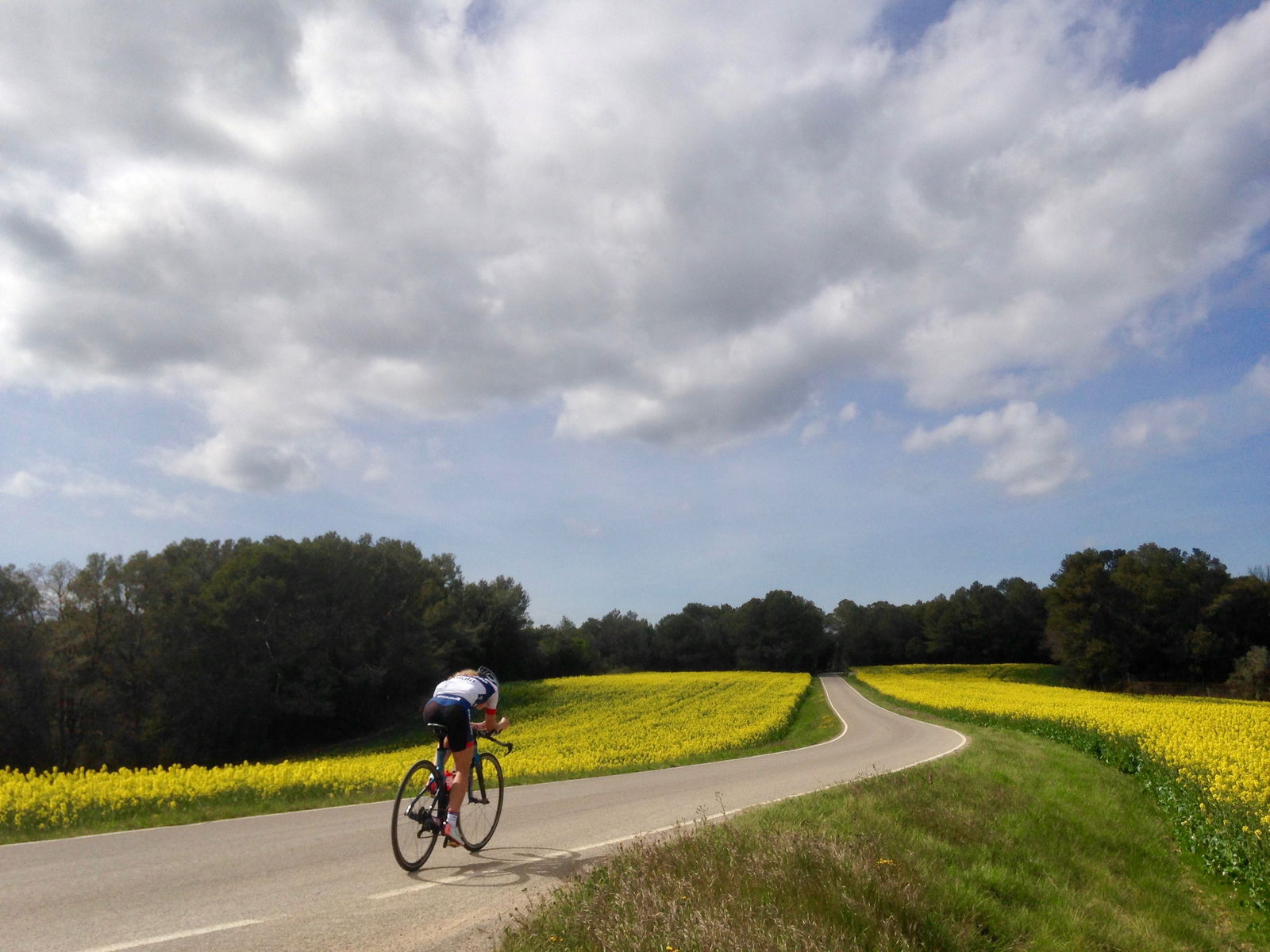
Photo by @sarahkimbonner
Other risk factors which increase susceptibility to infection include stress and sleep deprivation. Both of these elevate cortisol concentrations which suppresses immune function.
If you have an infection, is it still safe to participate?
If your only symptom is sneezing, a runny nose and a mild feeling of ill health, then gentle exercise can often improve your symptoms. Don’t compete if you are still actively infectious or have a fever on race day. If you have a high fever > 38°C, a sore throat, cough, muscle or joint aches or an elevated heart rate, then you should not be doing any exercise for at least two weeks or until you are cleared by your doctor. The primary reason for this is that these symptoms are more often associated with the organisms that can give rise to myocarditis (inflammation or infection of the heart muscle). Exercising with myocarditis can lead to severe heart damage or even a fatal arythmia, hence the caution.
Using a decongestant nasal spray and oral medication to reduce the thickness of secretions can also help improve your breathing on race day. Some of these medications are prohibited by WADA so seek competent advice before using any.

Photo by @RayCoxCycling
6 ways to prevent colds and other nasty infections:
1) Wash your hands regularly with soap and water
2) Avoid touching your nose and face
3) Stay away from crowded places after exercise
4) Get your flu vaccination at the beginning of winter
5) Get plenty of sleep
6) Reduce your stress levels
5 symptoms to look out for:
1) Temperature > 38°C
2) Sore throat
3) Cough
4) Muscle and joint aches
5) Raised resting heart rate