Sea Otter Europe 2026
The rider's guide to what is billed as Europe's largest cycling festival. Races, routes, what to do between them, and performance services at the S2S lab, minutes from the Fontajau pavilion.
50% off your second lab appointment
Book any two lab services at our Girona lab in September and receive 50% off the cheaper appointment. The bookings can be for one person or shared between two, so bring a riding partner and both benefit.
Girona lab only · Appointments 1–30 September 2026 · Discount applies to the cheaper of the two appointments · Book now, any date in September · First come, first served · Discount does not apply to equipment · Payment in full at the appointment · Cannot be combined with other promotions · Lab services only, not coaching
Buying for someone else? Pre-pay a fit or test and let them pick the date.
S2S athletes at Sea Otter
Science to Sport coaches and tests athletes competing at the highest level across gravel and mountain biking. Sea Otter closes the European season, and it draws them.
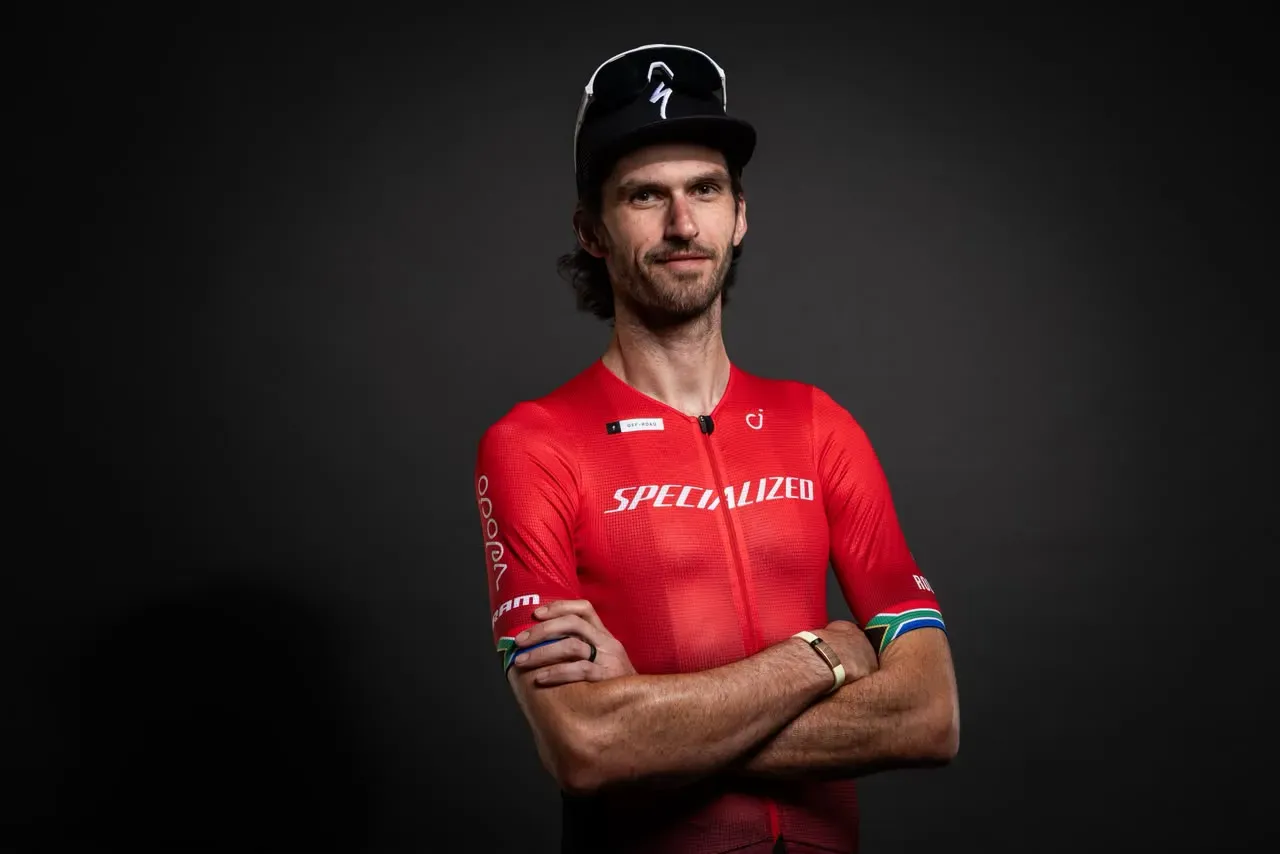
Matt Beers
Toyota Specialized ImbukoFour-time Absa Cape Epic champion and the most decorated South African mountain biker of his generation, racing gravel and marathon MTB. Coached by John Wakefield since his motocross days.
Three days, one city, every discipline
Sea Otter Europe is the European edition of the Sea Otter Classic, held in Girona since 2017. The 2026 festival runs 18–20 September at the Fontajau Municipal Pavilion and the surrounding Devesa park, with a free expo of international brands, a Demobike test programme, and fourteen sporting events spanning gravel, marathon and cross-country MTB, road, trial and downhill.
For riders, the weekend doubles as a season closer: the HERO UCI Marathon World Cup crowns its overall winners here, the 226ERS UCI Gravel World Series holds one of its final qualifiers for the UCI Gravel World Championships, and the Shimano Super Cup Massi decides its XCO series.
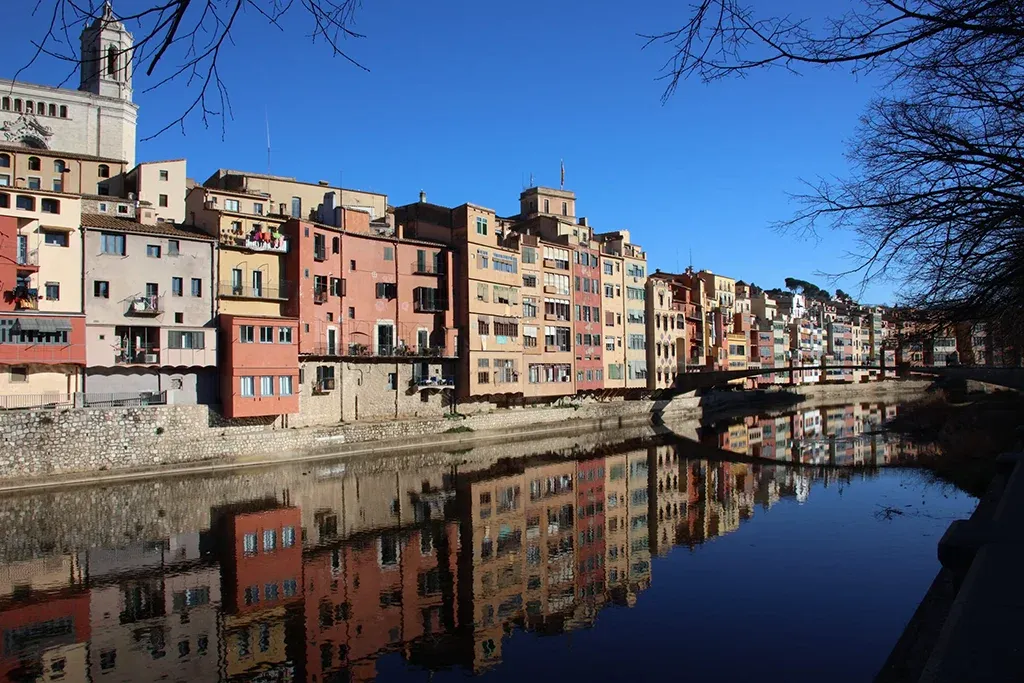
For everyone else it is a free day out in a city that treats cycling as infrastructure. Girona's old town, river walk and café culture are a fifteen-minute walk from the venue, and the expo hall is open to anyone who registers a visitor ticket.
Which race is yours?
Seven events on the programme are open to the kind of rider S2S coaches, from UCI-ranked elites to amateurs on a day licence. Each card leads with the route, because that is what you will be riding.
226ERS UCI Gravel World Series
Saturday 19 SeptemberRoute: organiser's provisional 2026 track. Map figures are GPX-computed and may differ slightly from official stats.
New route for 2026. A 5.2 km climb at 6.2% average comes straight from the start at Càrniques de Juià and strings out the field before the technical descent of Coll de Llumeneres at km 21. Fast forest and farm tracks from km 41 lift the pace; the Mas Llunes climb at km 83 is the likely decider, with one short, steep ramp at km 100 before the finish inside the festival.
Elite and age-group categories on the same course. Any UCI or national licence, or a day licence (+€6) at registration. Top age-group finishers qualify for the UCI Gravel World Championships.
HERO UCI Marathon World Cup · La Tramun
Sunday 20 SeptemberMap shows the 2025 course (89 km). The 2026 route is 82 km / 2,969 m; we'll update the map when the organiser publishes the track.
Point to point from Les Planes d'Hostoles into Girona. More than 80% of the distance is singletrack, which is why it calls itself the singletrack marathon. Steep, technical climbing with almost 3,000 m of gain over 82 km: this is a whole-body course, not a power-to-weight time trial.
UCI licence required for the World Cup start. The Open category rides the identical course without series scoring and does not require a UCI licence. New for 2026: La Tramun Short, 45 km, Open only. Registration closes Friday 11 September, 13:00 CEST.
SCOTT Marathon BTT Girona
Sunday 20 SeptemberShimano Super Cup Massi · XCO
Saturday 19 SeptemberShort, lap-based Olympic cross-country circuit around the pavilion. Provisional track published via Wikiloc on the organiser's page.
UCI-licensed riders. Categories: Elite, U23, Junior, Cadet, Master 30, 40 and 50/60, men and women. Final round of the 2026 Super Cup Massi, and it decides the series.
XCE / XCC World Series
Saturday 19 SeptemberCity Mountainbike's eliminator and short-track round on an urban course in Girona. Sprint-format racing: XCE runs heats of four riders over roughly a minute, XCC a lap race of twenty minutes plus.
A valid race licence is required, and riders born 2007 or earlier for XCC. Check the organiser's Girona page for the exact course location, lap length and entry conditions before entering.
La Ciclobrava by Lapierre
Sunday 20 SeptemberThree loops starting and finishing at the Devesa, on the quiet roads Girona's resident pros train on. The 150 takes in four passes: Sant Grau d'Ardenya, Romanyà, La Ganga and Montjuïc on the return into the city. The 100 shares three of them plus Madremanya at km 75. The 70 climbs Santa Pellaia, Madremanya and Montjuïc.
Non-competitive but timed. UCI or FCC licence, or a €10 day licence with medical cover. Confirm the 2026 routes on the organiser's page before planning around them.
Continental Gravel Ride Tour
Sunday 20 September- Spanish XCE Championship · Friday 18 September, RFEC, national licence
- MTB Classic · Saturday 19 September, 1980s–90s bikes only
- Super Cup Youth · Saturday 19 September, youth XCO
- Copa Girona Trial · Sunday 20 September
- Mini DH Kids Cup · Sunday 20 September
Routes and entry conditions are as published by the organisers on 20 August 2026 and may change. Check the official event page before travelling.
Friends, family and the festival
For everyone who is not racing, the festival is free and runs all three days. The expo at Fontajau brings the major bike and component brands into one hall, and the Devesa park start-finish area puts spectators a few metres from the racing.
Getting in
Entry is free, but a visitor ticket has to be registered online in advance. Do it before you travel rather than at the gate.
If you're racing
Registered riders in any event get free bike storage, bike wash and showers in the festival zone. Worth knowing before you book a hotel with nowhere to clean a bike.
Pick your day
Sunday is the busy one: the Marathon World Cup, Ciclobrava, SCOTT Marathon and the Gravel Ride Tour all finish at or near Fontajau. Saturday is easier going if you want to walk the expo properly.
The city
Girona's old town, river walk and café culture are a fifteen-minute walk from the venue. The city has been a WorldTour training base for years and treats cycling as infrastructure rather than a hobby.
Demobike
The festival runs a Demobike test programme on marked circuits. Booking mechanics for 2026 are published on the official site. Check there for how slots are allocated.
Preparing for Sea Otter
September in Girona is warm: typical daytime highs of 22–28°C and evenings around 15–18°C. How early you arrive depends on what you have entered.
Arrive by Wednesday
The course is more than 80% singletrack and almost 3,000 m of climbing. If you have not ridden Catalan trails, a recce of the final third into Girona is worth more than an extra interval session. For riders coming from the Marathon World Championships in Primiero, scheduled for 12–13 September, this is the second big effort in roughly a week, so treat the week as recovery with one opener.
Arrive by Wednesday or Thursday
The opening 5.2 km climb decides your group for the day. A short, sharp opener on Thursday or Friday and a look at the Coll de Llumeneres descent are enough. You want to know what the surface does under braking, not to add fitness.
Arrive Thursday
Course practice is the whole job. Short circuits reward line knowledge far more than fitness at this point in the season, and the eliminator format punishes hesitation in the first corner.
Arrive Friday
Register, collect numbers, ride easy, watch Saturday's racing. These are the events where arriving later still works, and the festival is more enjoyable when you are not anxious about a start list.
What not to do in race week
Don't change your bike position in the final week. If something needs adjusting, do it at least two weeks before the event, or address it after the race. A position change that feels fine on a 90-minute test ride can cause problems at hour four when fatigue changes how your body loads the contact points.
Don't overcook training. If you're not fit enough by the time you arrive in Girona, no amount of last-minute intensity will change that. A few easy spins and a route recce are all you need. Save the legs for race day.
If you're doing a metabolic test for fuelling data, give yourself at least a week to process the results and adjust your race nutrition plan accordingly. A test the day before the race gives you data you can't use.
Why bike fit matters across three disciplines
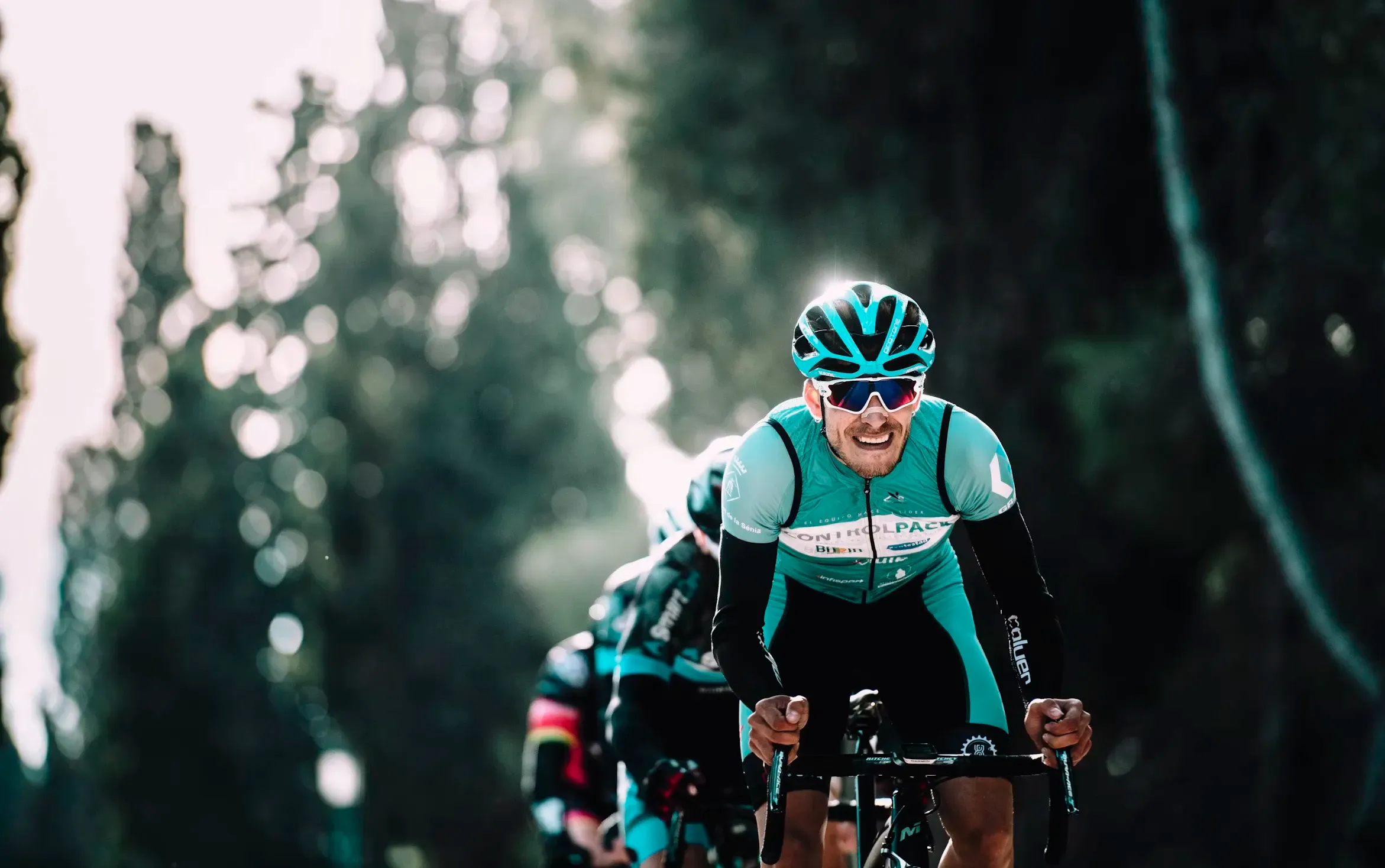
Sea Otter is unusual in that the same weekend asks three different things of your position. A road sportive, a gravel race and an 82 km singletrack marathon do not load the body the same way, and a fit that suits one does not automatically transfer to the others.
Contact points under load
Hand pressure is among the most common problems on long gravel events. Flared bars change your reach and wrist angle compared to road bars. Rough surfaces transmit vibration through the bar, and riders unconsciously grip harder as fatigue sets in. If your reach is even slightly too long, you load the hands to compensate. At hour four that means numbness, pain and compromised bike control.
Saddle contact changes fundamentally on gravel. You move on the saddle constantly: forward on climbs, back on descents, shifting laterally on off-camber surfaces. A saddle position that works for steady-state road riding may not support the range of movement that gravel demands. Pressure mapping can identify contact issues that subjective feel misses.
What singletrack hides, and then exposes
La Tramun is more than 80% singletrack. On technical terrain you are rarely seated in one position, which hides fit errors during the ride and exposes them afterwards as hand, neck and lower-back pain. Bar width, stem length and saddle setback for MTB are not the same numbers as your gravel or road bike, and a fit that was done on one does not transfer directly to the other.
How distance compounds small errors
A 2 mm saddle height error produces roughly 0.5° of knee angle change at the bottom of the pedal stroke. On a 90-minute ride, that's unlikely to cause problems. Over 150 km, roughly 25,000–30,000 pedal revolutions, it becomes a repetitive stress issue. Knee pain, hip discomfort, lower back fatigue: these are often position problems, not fitness problems.
The post-race window
Conventional wisdom says don't get a bike fit immediately before a big event. That's correct: major position changes in race week introduce risk. But the days after the race are a different story. If something hurt during Sea Otter, you know exactly what it was and where it was. That specificity is valuable. A fit in the days following the event can address the cause while the symptoms are still fresh, and you're still in Girona, minutes from our lab.
What's available at our Girona lab
Gran Via de Jaume I, 54, 17004 Girona: 10 minutes from the old town, 10 minutes from Fontajau by bike, 20 on foot. All services available throughout September.
ErgoFiT bike fitting
Performance testing
See you in Girona
Racing, riding or watching, the S2S lab is open for bike fitting and performance testing all September.
Book your appointment