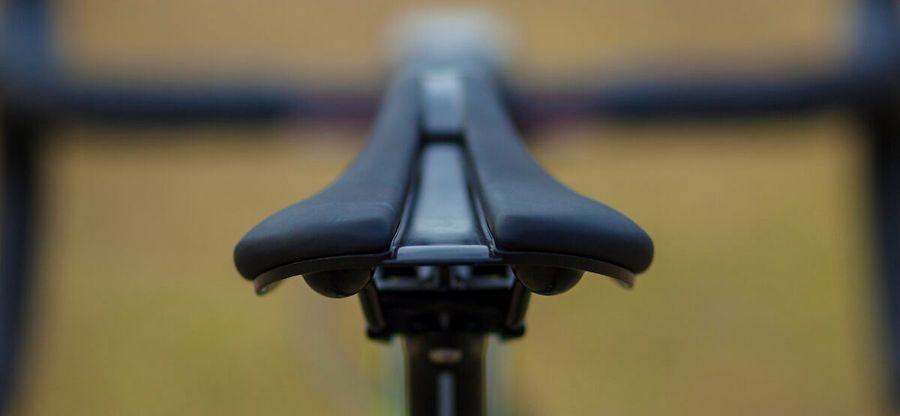
Why Saddle Discomfort Shouldn’t Be the Norm.
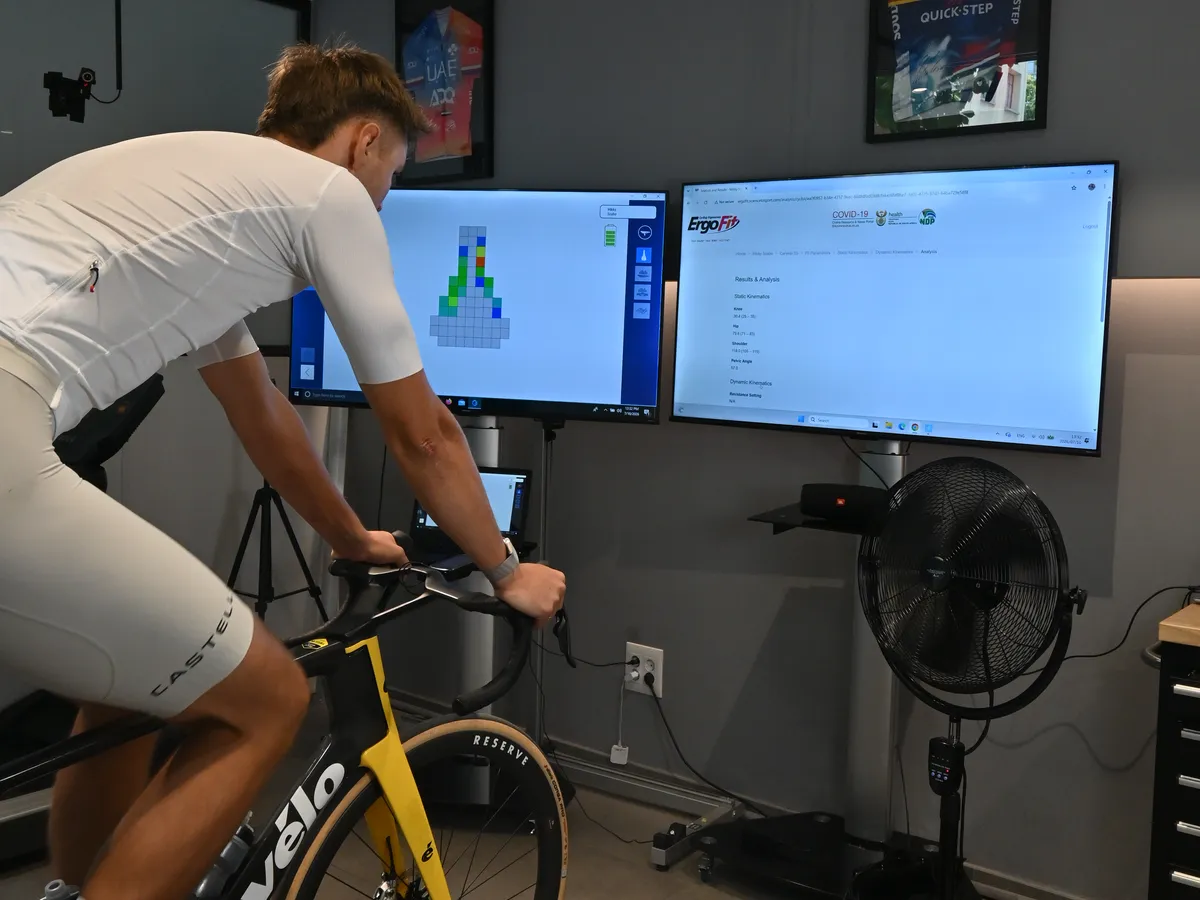
Why do we assess saddle pressure mapping?
Saddles should not be painful, and discomfort is not something you should “adapt to” or accept as normal.
Saddle discomfort directly compromises pelvic stability and alters muscle recruitment patterns.
When this happens, biomechanics change—often subtly at first, then progressively more during longer or harder efforts. The result is increased movement resulting in either chafing of saddle sores.
What saddle pressure mapping looks like in numbers and we look at:

- Fore/aft - pressure distribution
- Left/right - asymmetry
- Pelvic stability
- Maximal and mean force (pressure) through the saddle
Why it matters to performance and not just comfort:
Whether you’re training for the Tour de France or your local club ride, every rider has easy days and hard days. When a saddle is not correctly matched to the rider, performance suffers—often long before pain becomes obvious.
An incorrect saddle can lead to:
- Discomfort caused by excessive hip rocking
- Pelvic stability as the rider shifts to unload pubic bone or sit bone pressure
- Early fatigue due to inefficient muscle recruitment
Saddle pressure assessment removes guesswork, allowing comfort, stability, and performance optimised at every level of cycling.
How we use saddle pressure mapping in a bike fit and for performance:
Saddle pressure mapping is measured before and after any adjustment to optimise saddle interface, reduce pubic bone pressure and overall mean and maximal forces across the entire saddle.

We also Identify pelvic stability between left and right distribution, center of pressure in relation to the saddle itself and fore/aft distribution.
Who is this for?
Saddle pressure mapping is relevant for anyone who rides a bicycle, regardless of level or discipline.
There is no single saddle that suits everyone. Anatomy varies significantly between male and female cyclists, and even within the same sex there are substantial differences in pelvic structure, soft-tissue distribution, and riding mechanics.
The process involves first identifying the correct saddle size and then determining which saddle design works best for you. This can take time, but the payoff is worth it—your comfort, performance, and long-term durability depend on it. Your pelvis, soft tissue, and pubic area will thank you later.

Work With an S2S Coach
Whether you're optimising performance for a specific race or building long-term aerobic capacity, our coaches design individualised programmes around your physiology, goals, and schedule.