
Expert knowledge, supported by science.
Evidence-based articles from S2S cycling coaches and sports scientists — training methodology, performance testing, nutrition and biomechanics.
47 ArticlesFrom our S2S coaches
 Training
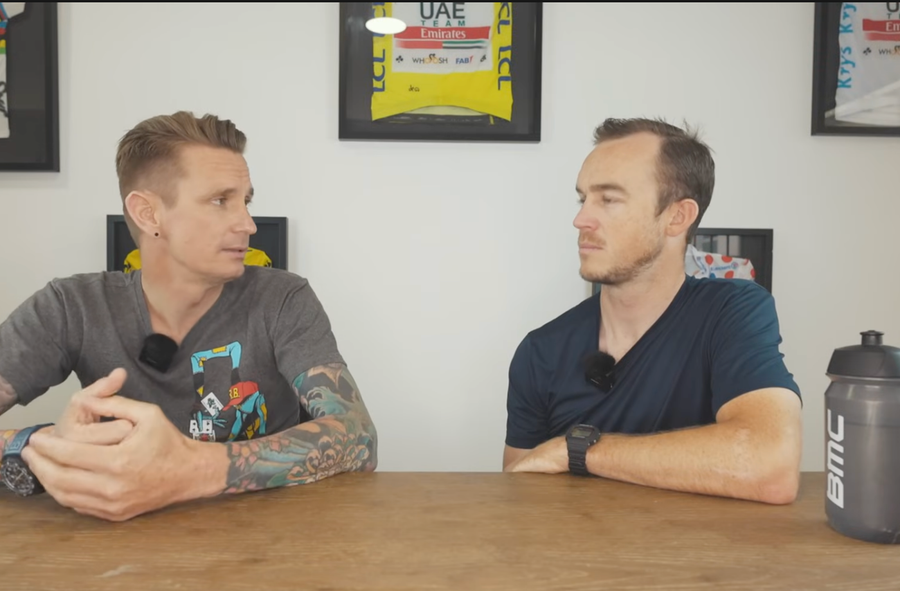
The Best Interval Training Sessions for Cyclists – How, When & Why To Do Them
John Wakefield is a WorldTour high performance cycling expert. How to plan, time & execute interval training as you build towards a goal.
Read article Protocol
Heat Training for Cyclists – How to Include Heat in a Training Program
This short how-to explainer with PDF download is an accompaniment to the recent article on Heat Training for Cyclists by Dr David de Klerk.
Read article Training
Heat Training for Cyclists – A New Frontier for Raising Haemoglobin Mass
Haemoglobin mass (Hbmass) has long been recognised as one of the key determinants of endurance performance.
Read article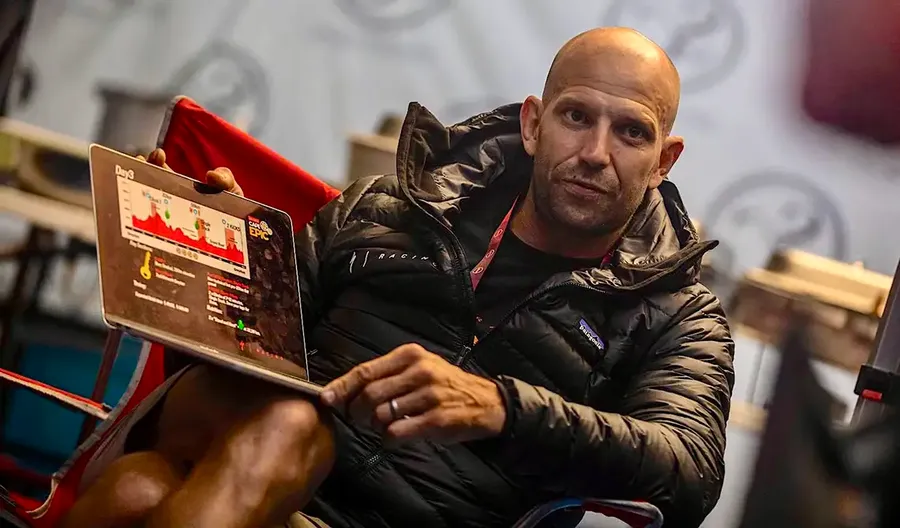 Training
Monitoring Cyclist Training Load Part 2: The Submaximal Fatigue Test & Internal Load Metrics
Mike Posthumus is an early member of the Science to Sport collective & currently works as Head of Performance for Specialized Factory Racing.
Read article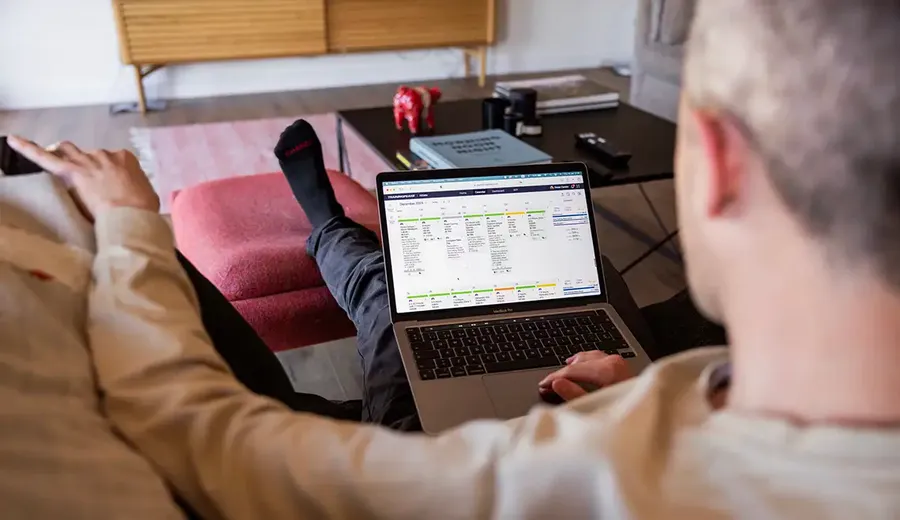 Protocol
A Submaximal Fatigue Test Protocol to Monitor Cyclist Training Load
The Submaximal Fatigue Test (SFT) is a key component of how Science to Sport coaches monitor athlete training load, freshness and fatigue, usually on a…
Read article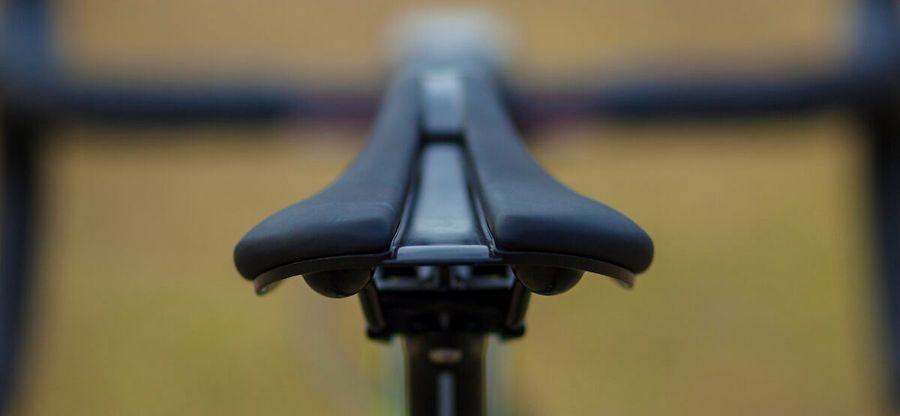 Medical
How to Prevent Saddle Sores – Everything You Need to Know
Prevent saddle sores with clean, high-quality bib shorts, chammy cream and a professional bike fit that includes steps we list in the piece.
Read article Training
Monitoring Cyclist Training Load Part 1: External Load & Modern Cycling Metrics
Learn about athletic fatigue management: Acute training load (ATL), Chronic training load (CTL) and training stress balance (TSB).
Read article Training
Altitude Training For Cyclists – How to do a Live High Train Low Altitude Camp
John Wakefield is a World Tour high performance cycling expert. How to plan, time & execute altitude training for maximum athlete adaptation.
Read article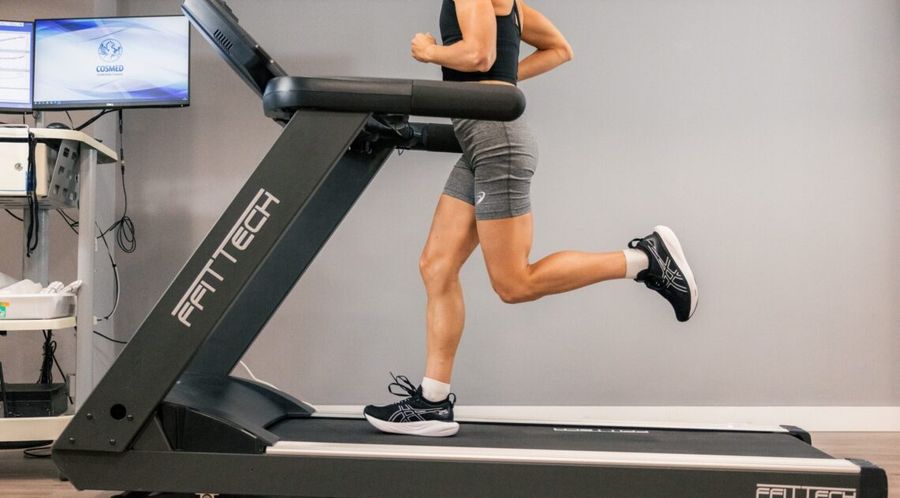
Dr Devon Coetzee Leads New Science to Sport Running Division
As a Biokineticist and PhD graduate in Running Biomechanics and Injury, Devon is both a cutting-edge sports scientist and real-world performance expert.
Read article